
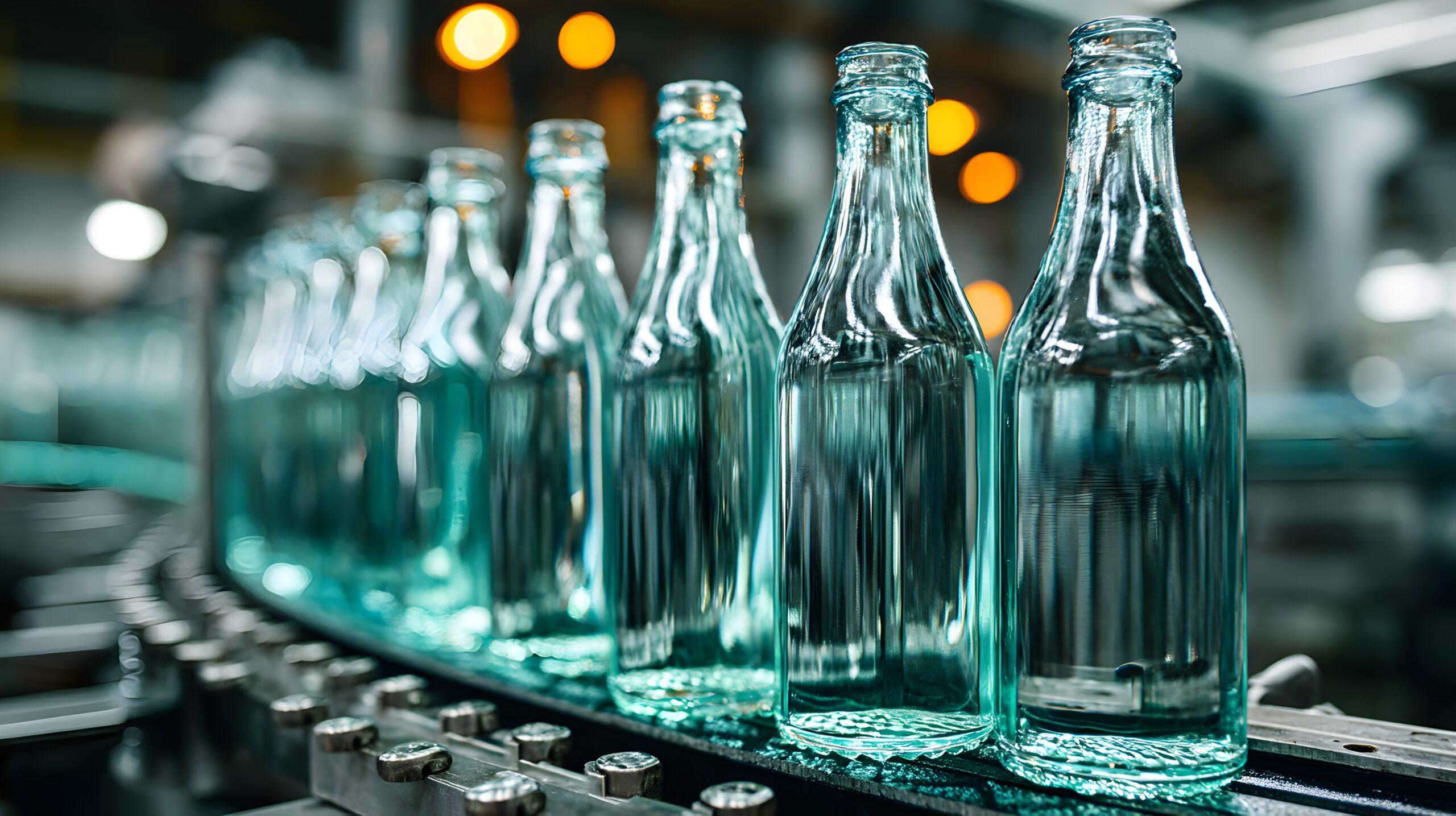
The ecological transition is increasingly taking shape within industrial production, and the glass sector is no exception. In Tuscany, the Verallia Italy plant in Pescia stands out as one of the most advanced manufacturing sites in the country in terms of environmental innovation, following a major technological upgrade aimed at improving both efficiency and sustainability.
At the core of this transformation is the commissioning of a next-generation furnace equipped with HeatOx technology, enabling the shift from conventional combustion to an optimised oxy-fuel system. This solution significantly reduces the use of fossil fuels and cuts greenhouse gas emissions, with estimated savings of several thousand tonnes of CO₂ each year. The replacement of air with oxygen in the combustion process also helps to lower other pollutants, such as nitrogen oxides, while recovered heat is reused to warm industrial facilities without relying on methane boilers.
Beyond its environmental impact, the investment has delivered tangible social and economic benefits for the local area. The new furnace has supported the creation of around one hundred jobs, strengthening the site’s production capacity and contributing to a more inclusive workplace. Today, the Pescia facility brings together people from 11 different nationalities, with women accounting for approximately 25% of the workforce.
Sustainability is also reflected in the plant’s approach to resource management. Across Verallia’s Italian operations, more than 60% of raw materials used come from recycled external glass, sourced from both production waste and the national separate collection system. This circular model aligns with the strong performance of the region, as Tuscany ranks among Italy’s leading areas for glass recycling, with recovery rates well above the national average and already exceeding European targets.
The Pescia experience demonstrates how industrial innovation, environmental responsibility and local development can move forward together, turning sustainability into a concrete driver of long-term growth.